





Using Casinonic App Without Guesswork
A mobile-first casino session often becomes messy before the first spin ever starts. Imagine opening Casinonic on your phone after work, seeing a bright front screen, and assuming the rest of the experience will feel just as simple. The better move is slower. Open the account area, find the cashier, check where help tools sit, and see whether the path from registration to play still feels clear once the homepage stops doing all the work.
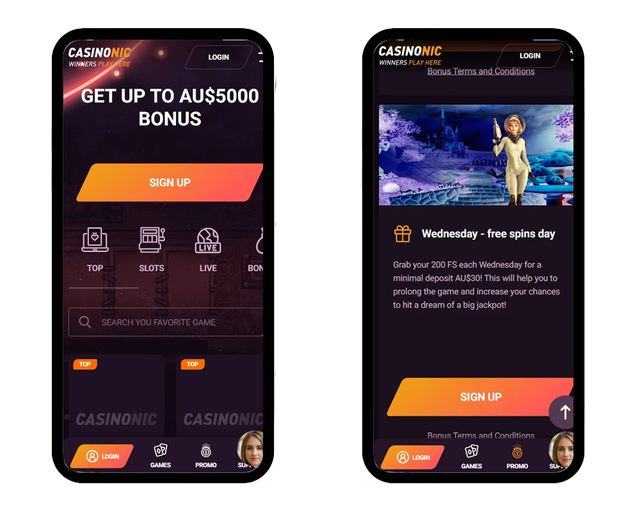
Casinonic’s Canada-facing pages say players can use a mobile version without downloading anything, and the same site presents the service as available on smartphones and tablets, including iOS and Android devices, through a browser-based experience rather than a required standalone installation. The Canada page also says the mobile version is designed to mirror the desktop experience closely.
That matters because the useful first question is not whether the first screen looks polished. It is whether the session still feels understandable when you ignore the banner and look at the machinery behind it. Can you tell where the balance sits, where payment options appear, and how to reach support without guessing? If the answer is yes, the visit starts on steadier ground.
Why Casinonic App Download Is Not The Main Question
Many players begin with the wrong question. They search for a download, assume a bigger install means a better product, and judge the whole platform by whether an app store page exists. Imagine someone pausing the session entirely because they expect a traditional app package, when the actual mobile flow is built around instant browser access.
A stronger habit is to start with usability instead. If the site loads clearly, fits the screen well, and lets you reach the account, cashier, and games without awkward taps, the lack of a required installation is not a weakness. It is simply a different model. Browser-based access reduces storage concerns and lets the player move from search to session faster, but only if the player recognizes that no-install access is part of the design rather than a missing feature.
Small Screens Change Player Behavior
Phone sessions rarely feel the same as desktop sessions. A player on a laptop often sits down with a purpose. A player on a phone can drift into the platform while standing in line, sitting on transport, or watching television. That difference changes how quickly a short check becomes a real-money decision.
One glance becomes a balance check, then a lobby visit, then a cashier visit, and then the whole session exists before the player ever decided whether tonight should be a casino night. The smaller the screen, the more important it becomes to decide the purpose before logging in.
Account Setup Before The First Mobile Session
The account is the base of everything that follows. If the profile is clean, later actions feel ordinary. If it is rushed, even a normal login can turn into an irritating problem. Think of a player who registers with an older email because it still works somewhere, saves a password on a shared device, and promises to fix everything later. Later almost always arrives at the exact moment the account needs to work properly.
Use current details from the start. Keep the email active, choose a password you can manage safely, and make sure personal information is consistent. None of this feels exciting, yet it prevents avoidable trouble when access needs to be restored, the cashier expects account details to line up, or support needs enough clarity to understand what happened.
Casinonic’s privacy and responsible-gaming materials describe account access through unique credentials, note optional two-factor authentication, and present the site as intended for legal-age adults. Those facts matter more on mobile because people are more likely to log in while distracted, multitasking, or relying on saved credentials.
Device Habits Matter More On Phones
A private device changes the quality of the session more than many players admit. Imagine logging in from a friend’s phone just to check one thing. Maybe the browser remembers the session. Maybe the password field stays stored. Maybe a quick convenience creates a larger mess later.
The safer habit is simple: use devices you control, sign out when the visit ends, and avoid changing sensitive account details while multitasking or while the connection feels unstable.
How Casinonic Mobile Changes Session Rhythm

The biggest mobile difference is not visual. It is emotional. Desktop play tends to feel planned. Mobile play tends to feel available. When something is always available, it becomes easier to open the site without deciding whether opening it is actually a good idea.
Casinonic’s Canada-facing mobile presentation stresses that the site runs smoothly on smartphones and tablets and that players can move between games, account tools, and the cashier on the same mobile version. That convenience is real, but it also means discipline has to arrive from the player, not from the layout.
A practical mobile rule is narrow purpose. Log in to do one thing, maybe two, and stop there. If the answer is check balance, stop after the balance. If the answer is test one game for fifteen minutes, set the time first and keep the activity limited to that plan.
Payments, Limits, And One Useful Table
The cashier deserves full attention. Imagine seeing the account load smoothly on your phone and then letting that convenience rush the next step. A player may open the payment page before deciding how much money belongs to the evening because the mobile flow feels quick and easy. That is how many sessions lose their structure. The budget should come before the cashier, not after it.
Casinonic’s Canada-facing materials say players can use cards and e-wallet-style options, and the payments pages note that exact availability can vary by jurisdiction and that the cashier is the place to see what is currently open to the account. That is useful because it reminds the player not to assume that every method appears the same way on every visit.
A better order is simple. Set the amount first. Then open the payment section, confirm the selected option, read the message on screen, and make sure the total still matches the session you planned. If the site shows an extra note or requests another step, stop and read it instead of clicking through on momentum. The cashier is not a side screen. It is part of the session strategy.
The strongest limits are chosen before the result changes your mood. If you enter the cashier without a number in mind, the platform will not create discipline for you. That part still belongs to the player.
Player Area | What To Check | Better Action |
|---|---|---|
Profile | Email, name, current details | Keep everything accurate from day one |
Account Entry | Device, saved access, session reason | Log in only when the plan is clear |
Cashier | Amount, payment option, confirmation text | Approve only after reading the full prompt |
Balance View | Cash funds, offer value, active play balance | Know which balance is being used |
Limits Menu | Deposit cap, reminders, cooling-off tools | Set boundaries before opening a game |
Support Route | Topic, message field, key facts | Prepare a short timeline before writing |
Playing Through Casinonic Mobile Casino On Small Screens
A small screen changes what looks manageable. A game that feels relaxed on desktop can feel faster on mobile because the motion is closer, the buttons are tighter, and the player is often in a less stable environment. Picture someone playing with television on in the background or while checking messages between rounds. The game may not have changed, but the player’s attention absolutely has.
This is why low-stake testing matters more on a phone. Open one title, play a few careful rounds, and notice whether the pace still fits your time, energy, and focus. There is no prize for staying with a game that looks good but feels wrong on a smaller device.
Why Touch Convenience Increases Risk
Mobile design removes friction on purpose. That is what makes it usable. The problem appears when usable becomes impulsive. One tap opens a menu. One more tap reaches the cashier. Another returns to the lobby. The whole session can feel fluid enough that the player stops noticing where one decision ended and the next one began.
A stronger mobile routine restores a little friction on purpose. Pause before entering the cashier. Pause before switching games. Pause before adding more money. Those small pauses create the space that the mobile design itself is trying to remove.
Interruptions Are Part Of Mobile Play
Phone sessions are interrupted by real life far more often than desktop sessions. A call arrives. A notification appears. The train stops. Someone asks you a question. That means mobile casino play should be treated as a format that requires extra caution rather than extra confidence.
If the environment is unstable, the better move is often to browse or log out instead of pushing forward. Good mobile discipline includes noticing when the moment is not good enough for real decisions, even if the site itself is loading perfectly.
Support, Limits, And Recovery Tools On The Go
Support works best when the player writes clearly. Imagine ending a messy mobile session and sending a note that only says something is wrong. That may describe the mood, but it gives the support team almost nothing useful to follow. A stronger message includes the date, the section being used, the action taken, and the wording shown on screen.
Casinonic’s responsible-gaming page lists deposit, loss, wager, cooling-off, and self-exclusion limits, says decreases take effect immediately while some increases may require confirmation, and says players can reach support through live chat or email for help with those tools. Those details matter because mobile sessions often drift faster than desktop ones, so recovery tools need to be easy to reach before frustration becomes the whole session.
A useful 2026 routine does not need to be complicated. Start with the account, choose the budget, decide the reason for logging in, and know the stop point before the first game opens.
Writing Better Support Messages From A Phone
People write worse messages from phones. That is normal. Short screens encourage vague summaries and rushed wording. But support cannot work from a feeling. It works from a sequence. If you need help, write the date, the page, the action you took, and the notice you saw.
When Browser Play Is Better Than Chasing An App
Some players keep searching for a download because they think a mobile session will feel more real once an app exists. In practice, the quality of the session depends much more on structure than on installation. If browser play already gives you account access, cashier access, and readable games, the next improvement should come from better habits, not from more software.

A Canada Routine That Still Works In 2026
A useful 2026 routine does not need to be complicated. Start with the account, choose the budget, decide the reason for logging in, and know the stop point before the first game opens. If the mobile version makes the whole site feel especially fast, make your own routine a little slower to compensate.
Picture two players seeing the same phone screen at the same time. One treats the smooth design like permission to keep moving. The other checks the time, the budget, and the original purpose of the visit before doing anything else. The second player usually stays in better control because the routine is stronger.
What makes a mobile casino routine manageable over time is not perfect discipline every minute. It is a repeatable structure: accurate details, one budget, one purpose, one exit point, and support tools ready before frustration grows. The more ordinary that structure feels, the easier it is to repeat without stress.